Structural Drying and Dehumidification in Lodi, CA
Surfaces can look dry days before the framing is. The drying team sizes air movers and LGR dehumidifiers to each room and keeps them running until the readings, not the calendar, say dry.
(888) 774-9605Get the structural drying started today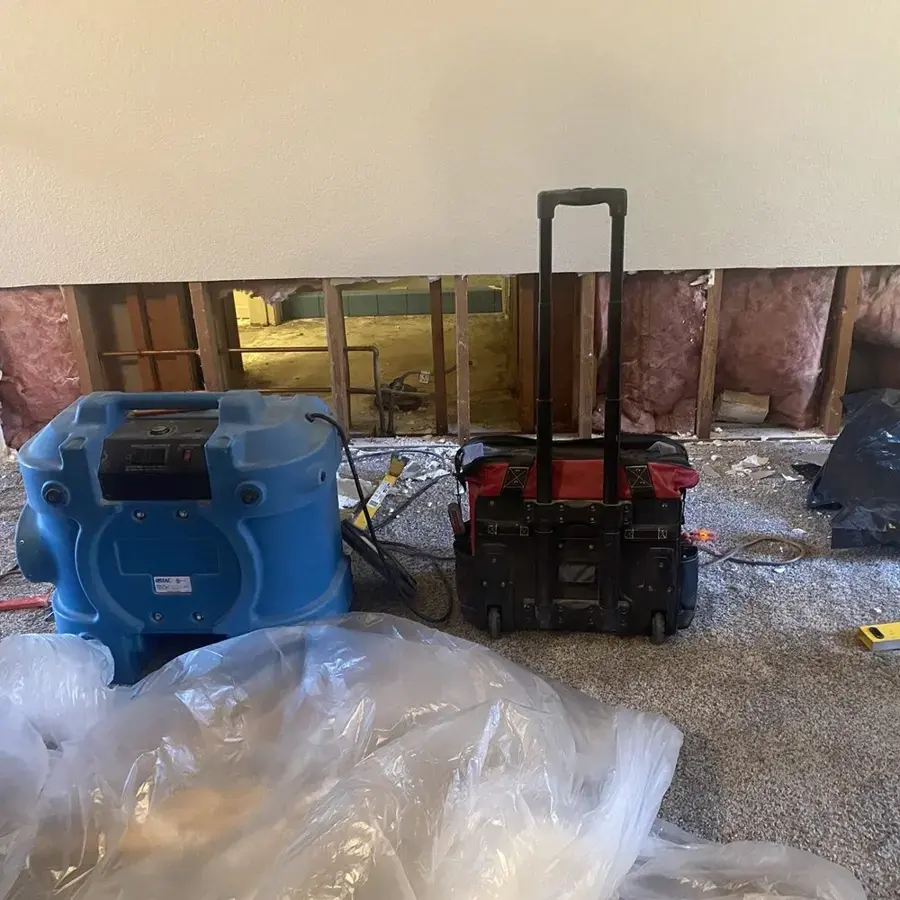
First steps for structural drying in Lodi
- 1
Stop the source
Make sure no more water is entering the building.
- 2
Remove standing water
Extraction has to finish before drying equipment works well.
- 3
Keep the building closed
Close windows in damp weather so dehumidifiers can work.
- 4
Leave equipment running
Air movers and dehumidifiers run day and night.
What the drying team checks on this loss
Every structural drying job in Lodi is sorted by category and class before equipment goes down, because that decides what can be dried in place and what has to come out.
- IICRC S500 is the industry drying standard
- Class 1 through 4 sets how much equipment a room needs
- The goal is within 2 to 4 points of a dry reference
- Desiccants handle Class 4 materials like hardwood and plaster
What does structural drying and dehumidification cost in Lodi, CA?
In Lodi, CA, structural drying typically runs $800 to $6,500, depending on the class of the loss, the number of rooms and air movers, whether desiccant dehumidifiers are needed and how many days the equipment runs.
Class 1 or 2, one room
$800 to $2,000
A few air movers, one LGR dehumidifier, daily readings
Several rooms, Class 2 or 3
$2,000 to $4,500
Many air movers, several LGR units, wall cavity drying
Class 4 or large area
$4,500 to $6,500+
Desiccant dehumidifiers, floor-drying mats, longer equipment days
Typical ranges, never a quote. The category of water, the square footage, the material class and how fast drying started move the number most. The water damage cost calculator gives a closer planning range.
How structural drying is handled in Lodi
Step 1 Map and class the loss
Meters and thermal imaging set the drying plan and the class.
Step 2 Set the equipment
Air movers and LGR or desiccant units go in sized to each room.
Step 3 Read and adjust daily
Psychrometric and moisture readings steer daily changes.
Step 4 Verify dry
Equipment comes out when materials match the dry reference.
Structural drying is the part of water damage restoration that happens after the standing water is gone. Framing, subfloor, drywall, plaster and wood trim all hold water, and they release it slowly. Structural drying pulls that moisture out on purpose, at a controlled pace, and proves the building is dry with measurements.
How the drying plan is set
The tech who does the walkthrough maps moisture with thermal imaging, pinless meters and pin meters, and takes a reading in an unaffected part of the same building as the dry reference. The loss is then classed from Class 1 to Class 4 based on how much water was absorbed and what materials are wet.
- Class 1: a small area with little absorption, often dries quickly
- Class 2: a whole room with wet carpet and walls up to about two feet
- Class 3: water from above, soaking ceilings, walls and floors
- Class 4: dense materials like hardwood, plaster and concrete that need special drying
The equipment and why it is sized
Air movers sweep moist air off wet surfaces, and the number set in each room follows the room's evaporation load. LGR dehumidifiers pull that moisture out of the air so it cannot soak back in. Desiccant dehumidifiers handle Class 4 materials and cooler spaces. In Lodi's dry summers, outside air sometimes helps; in the damp tule-fog months of winter, the drying team keeps the building closed and relies on dehumidifiers.
- Psychrometric readings track temperature and humidity inside and out each day
- Equipment is moved or adjusted as areas dry at different rates
- Wall cavities may get small openings or injection drying
When the job is done
Equipment comes out when wet materials read within 2 to 4 points of the dry reference, not after a set number of days. The drying logs, moisture map and daily readings go into the claim file. The Department of Energy Energy Saver pages explain humidity and home moisture, and the California Department of Insurance covers how claims are handled in this state.
Leave the equipment running
Turning air movers and dehumidifiers off at night slows the drying and can let moisture settle back into the framing. The drying plan counts on continuous operation.
Covering Lodi, CA and the Mokelumne River towns
The Lodi restoration crew handles structural drying across every Lodi ZIP and the surrounding San Joaquin County towns, day or night.
ZIP codes 95240, 95241 and 95242, the Eastside, Downtown, Lodi Lake and Reynolds Ranch, with Woodbridge, Acampo, Lockeford and Galt close by.
See every neighborhood and ZIP coveredRelated water damage services in Lodi
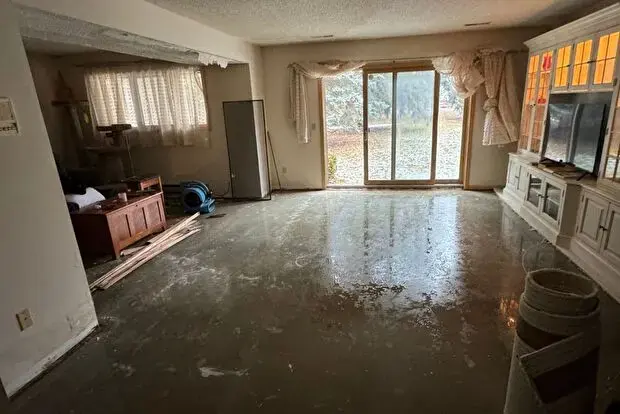 Emergency Water ExtractionTruck-mounted extraction pulls standing water out before any drying starts.View service
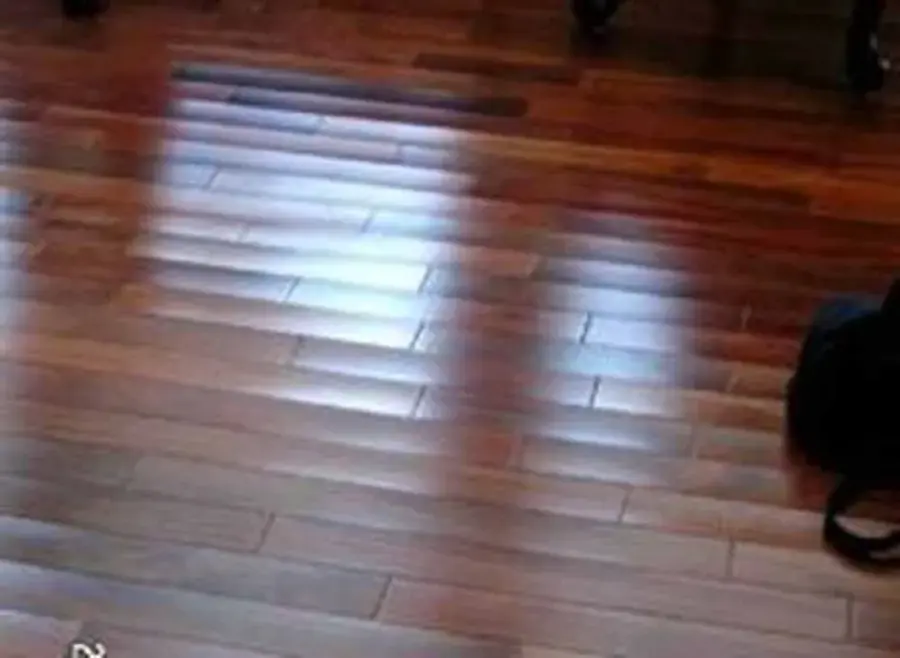 Hardwood Floor Water DamageOak floors dried with floor mats before cupping turns to buckling.View service
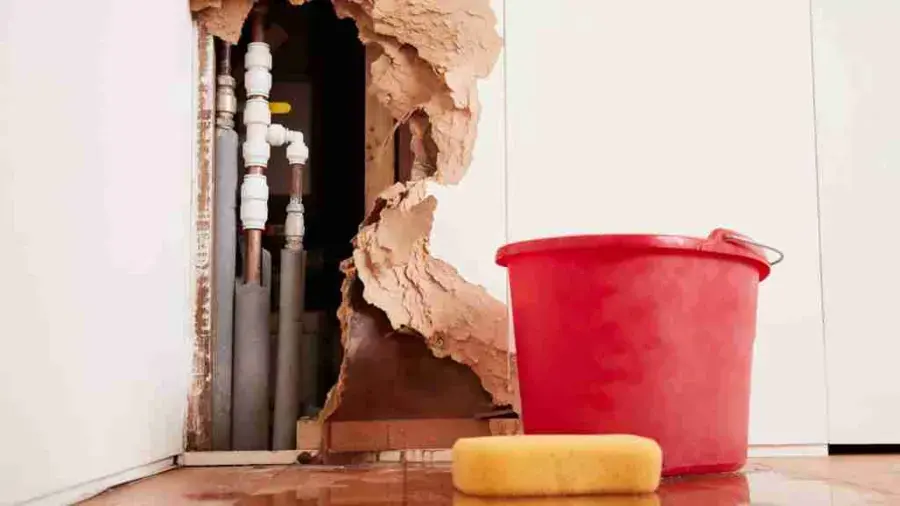 Burst Pipe CleanupGalvanized and copper line failures, extracted and dried inside the walls.View service
Structural Drying and Dehumidification questions in Lodi
What is structural drying?
It is the controlled drying of framing, subfloor, walls and other building materials after water damage, verified with moisture readings.
Why not just open windows and run fans?
Fans alone move moisture around, and outside air is often too humid, especially in winter. Dehumidifiers remove the water from the air so materials keep drying.
How long does structural drying take?
A contained Class 1 loss often dries in three to five days. Class 3 and Class 4 losses with hardwood, plaster or concrete take longer.
What does within 2 to 4 points of dry mean?
The drying team compares wet materials with the same material in an unaffected area. When readings land within 2 to 4 points of that reference, the material is considered dry.
Can I turn the equipment off at night?
It is best not to. Drying plans count on continuous operation, and turning equipment off slows progress.
Is structural drying covered by insurance?
Drying after a covered sudden loss is usually part of the claim. Coverage depends on your policy, so it is worth checking with your own insurer.
Structural Drying and Dehumidification in Lodi? Call now.
The restoration team extracts the water, dries the structure to the IICRC S500 goal and logs every reading for the claim file.