Emergency Water Extraction in Lodi, CA
Standing water keeps moving into subfloor, baseboard and drywall until it is pulled out. The extraction crew removes it with truck-mounted equipment so drying can start on a dry floor, not a wet one.
(888) 774-9605Get Lodi water extraction moving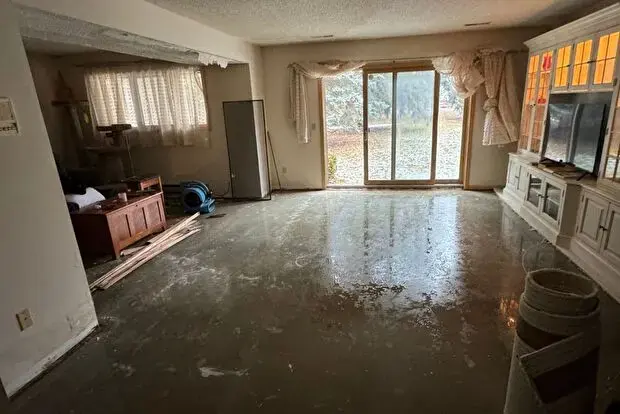
First steps for water extraction in Lodi
- 1
Stop the source
Close the main valve or the fixture shutoff so no more water enters.
- 2
Make it safe
Switch off breakers for wet rooms only if the panel is dry.
- 3
Photograph the water
Take photos and video of every wet room before moving things.
- 4
Call for extraction
Standing water soaks deeper every hour, so call right away.
What the drying team checks on this loss
Every water extraction job in Lodi is sorted by category and class before equipment goes down, because that decides what can be dried in place and what has to come out.
- Truck-mounted extraction moves far more water than a shop vac
- Clean supply water is Category 1 when caught early
- Wet carpet pad usually comes out; carpet is often saved
- Moisture mapping follows extraction, before any drying equipment
What does emergency water extraction cost in Lodi, CA?
In Lodi, CA, emergency water extraction typically runs $400 to $3,500, depending on the depth and square footage of the water, the water category, whether a crawl space is involved and how long the water sat.
One room, clean water
$400 to $1,200
Surface water on carpet or tile, portable or truck-mounted unit, pad removal
Several rooms
$1,200 to $2,500
Truck-mounted extraction, weighted extraction tools, baseboard removal
Crawl space or Category 3
$2,500 to $3,500+
Submersible pumps, containment, removal of porous material
Typical ranges, never a quote. The category of water, the square footage, the material class and how fast drying started move the number most. The water damage cost calculator gives a closer planning range.
How water extraction is handled in Lodi
Step 1 Pump and extract
The extraction crew pulls standing water with truck-mounted units and pumps.
Step 2 Map the moisture
Thermal imaging and meters outline where water traveled.
Step 3 Set the drying
Air movers and LGR dehumidifiers go in sized to each room.
Step 4 Verify and document
Daily readings continue until materials match a dry reference.
Every water loss in Lodi starts the same way: water is sitting where it should not be. A burst supply line, a failed water heater in the garage, storm water under a door or a backed-up floor drain all leave standing water that keeps soaking into anything porous. Extraction is the step that decides how much of the house can be dried in place instead of torn out.
Why extraction comes before drying
Air movers and dehumidifiers remove moisture by evaporation, which is slow. Pulling liquid water out is far faster, so the extraction crew removes as much as possible before any drying equipment is set.
- Truck-mounted extraction units move large volumes and send the water out of the building instead of into the next room
- Weighted extraction tools press water out of carpet and pad that a wand alone would leave behind
- Submersible pumps handle deeper water in garages, basements and crawl spaces under Lodi's older raised floors
- Portable units reach upstairs rooms and tight spaces where a hose from the truck cannot
On a slab home off Lower Sacramento Road, most water sits on the surface and extracts cleanly. In a pre-war Eastside bungalow, water drops through the floor into the crawl space, so the crew extracts from above and below.
What happens right after extraction
Once the standing water is out, the tech who does the walkthrough maps moisture with thermal imaging and pinless meters. The map shows where water traveled under flooring and up into walls, which is usually farther than it looks. From that map the drying team sizes the air movers and LGR dehumidifiers for each room.
- Wet carpet pad is usually pulled, because it holds water like a sponge
- Baseboard may come off so the wall cavity can breathe
- Furniture is lifted on blocks or moved out of the wet area
- Photos and readings from this point go into the claim file
Category decides what gets saved
Clean water from a supply line is Category 1 and can often be dried in place when extraction starts early. Water that has sat for days, or came from a washer drain, moves toward Category 2. Sewage and outside flood water are Category 3, and porous materials they touched are removed, not dried. The Ready.gov flood page covers safety around floodwater, and the California Department of Insurance explains how homeowners claims work in this state.
Before the crew is inside
If it is safe, shut the main valve and switch off breakers for wet rooms. Move small furniture and rugs off the wet floor and take photos before anything is moved.
Covering Lodi, CA and the Mokelumne River towns
The Lodi restoration crew handles water extraction across every Lodi ZIP and the surrounding San Joaquin County towns, day or night.
ZIP codes 95240, 95241 and 95242, the Eastside, Downtown, Lodi Lake and Reynolds Ranch, with Woodbridge, Acampo, Lockeford and Galt close by.
See every neighborhood and ZIP coveredRelated water damage services in Lodi
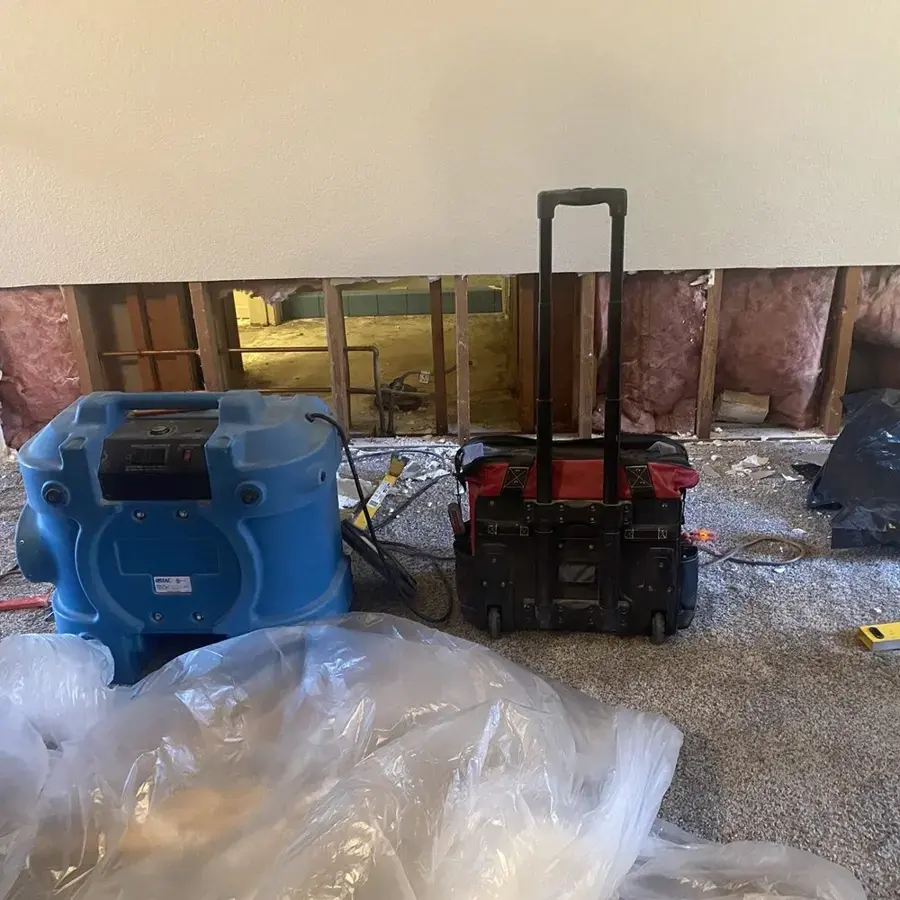 Structural Drying & DehumidificationFraming, subfloor and wall cavities dried to a verified reading.View service
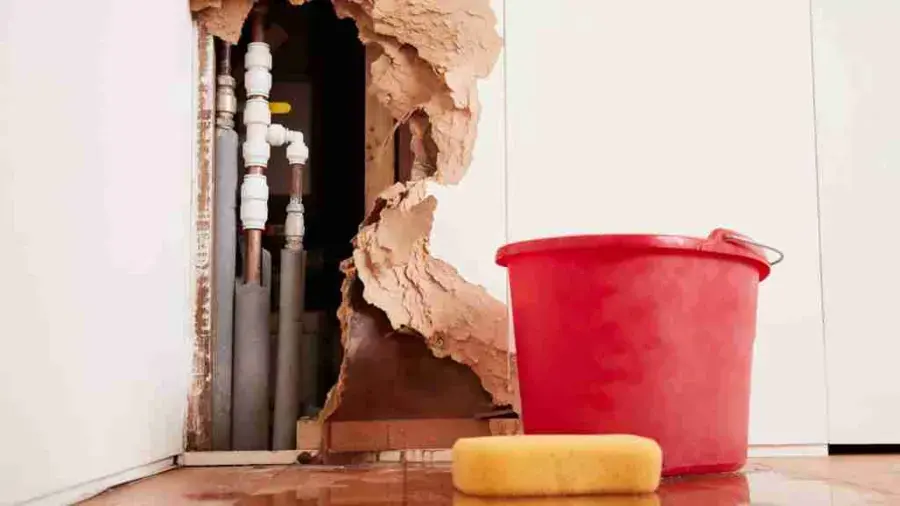 Burst Pipe CleanupGalvanized and copper line failures, extracted and dried inside the walls.View service
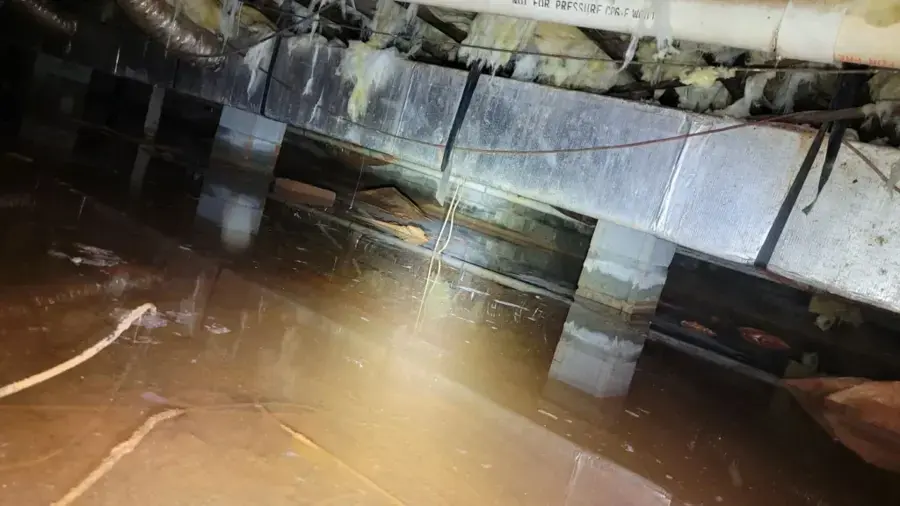 Crawl Space Water DamageWater under raised pre-war floors, extracted and dried at the joists.View service
Emergency Water Extraction questions in Lodi
How much water can a truck-mounted unit remove?
Truck-mounted extraction units move far more water than portable machines or shop vacs, and they send it out of the building. On most residential losses in Lodi they clear standing water from several rooms in a single visit.
Can my carpet be saved after extraction?
Often, if the water was clean and extraction started early. The pad under the carpet usually comes out because it holds water. Carpet touched by sewage or outside flood water is removed.
Do I need extraction if the water is only a little deep?
Yes. Even a thin layer of water wicks into drywall, baseboard and subfloor. Extraction removes the liquid so drying equipment can work on the moisture that remains.
Is extraction the same as drying?
No. Extraction removes liquid water. Drying uses air movers and dehumidifiers to pull moisture out of materials over several days until readings match a dry reference.
What if water went under the floor into the crawl space?
The crew extracts from the crawl space as well, using pumps where water is deep, then dries the joists and subfloor from below.
Is emergency extraction covered by insurance?
Extraction after a sudden and accidental loss is often covered under a homeowners policy. Coverage depends on your policy, so it is worth checking with your own insurer.
Emergency Water Extraction in Lodi? Call now.
The restoration team extracts the water, dries the structure to the IICRC S500 goal and logs every reading for the claim file.